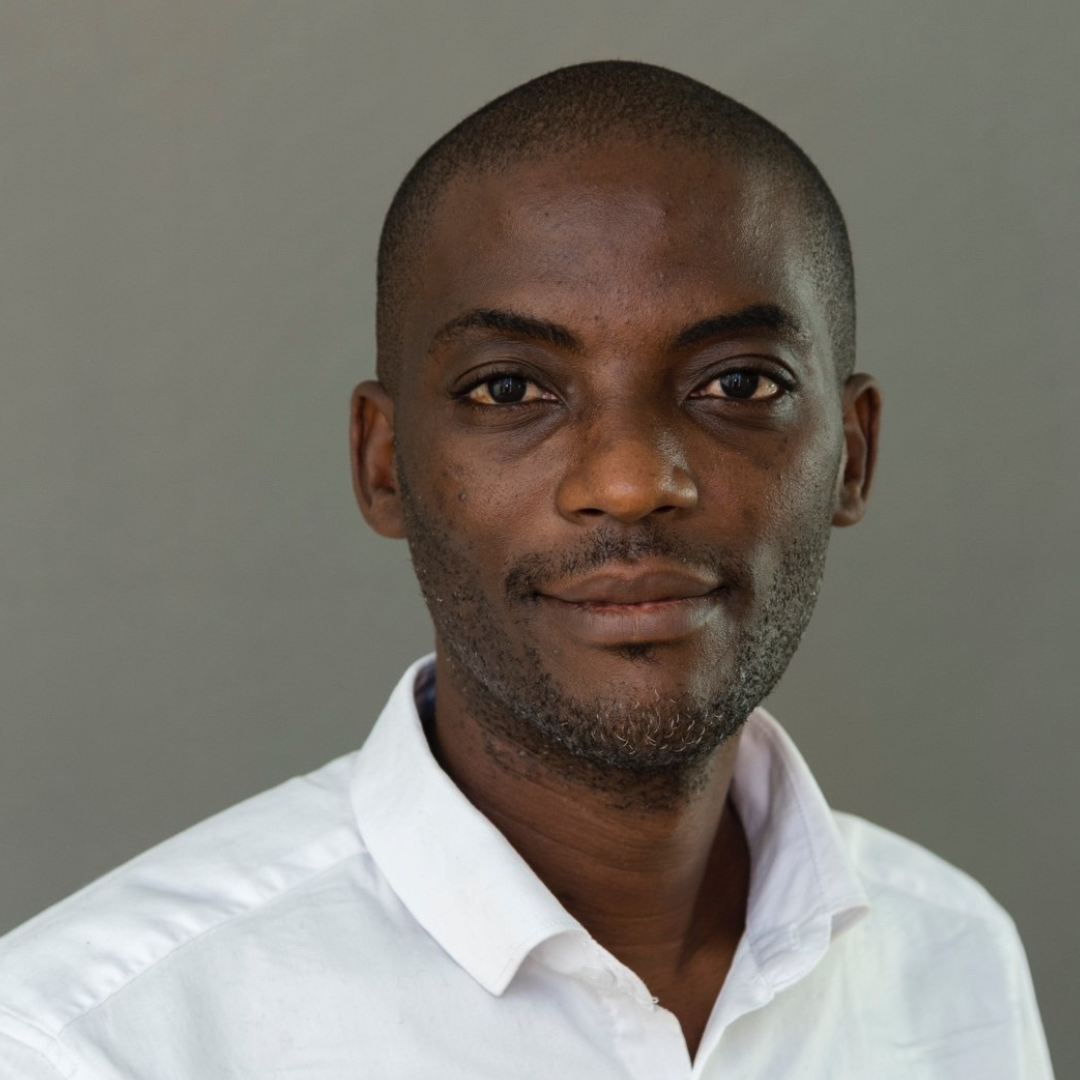
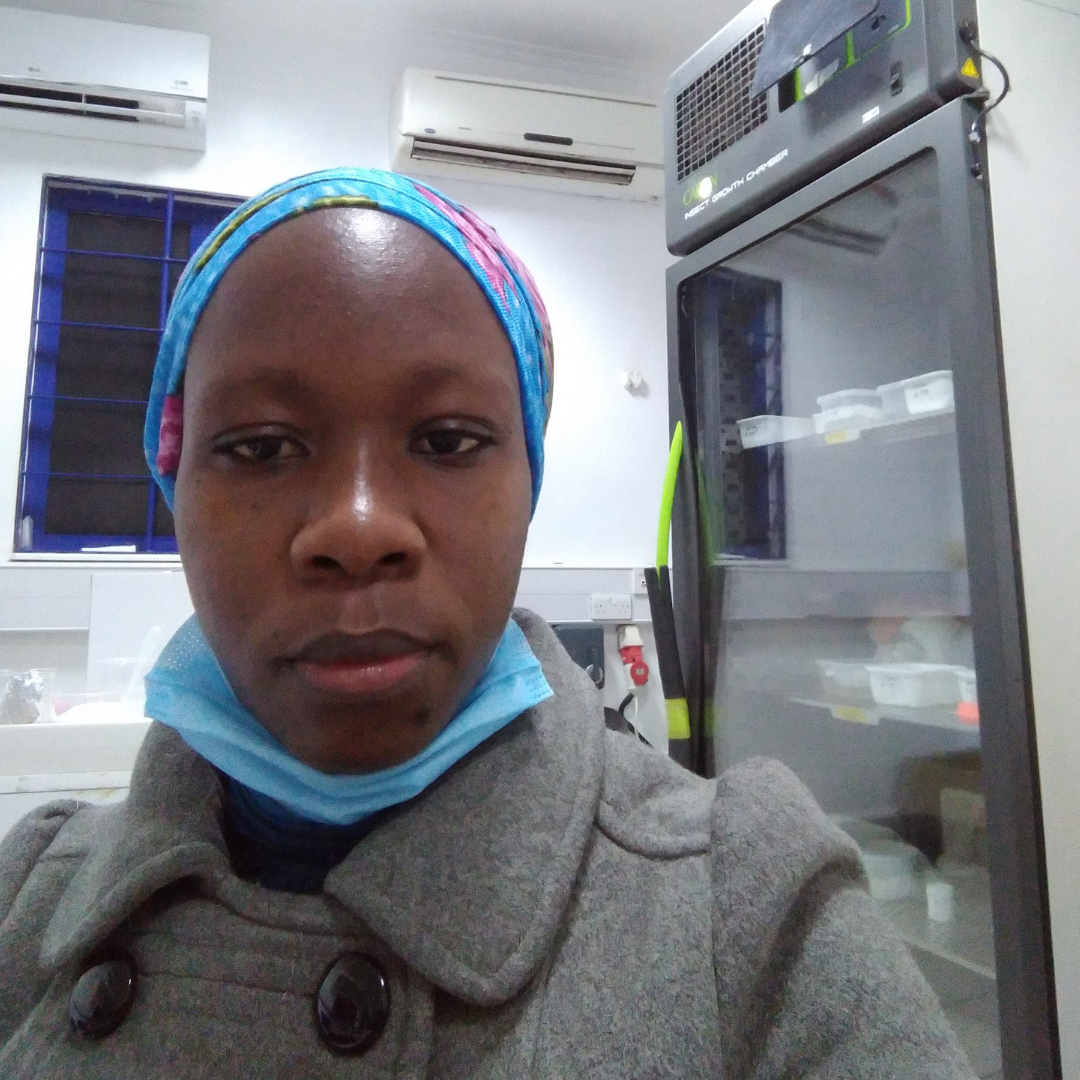
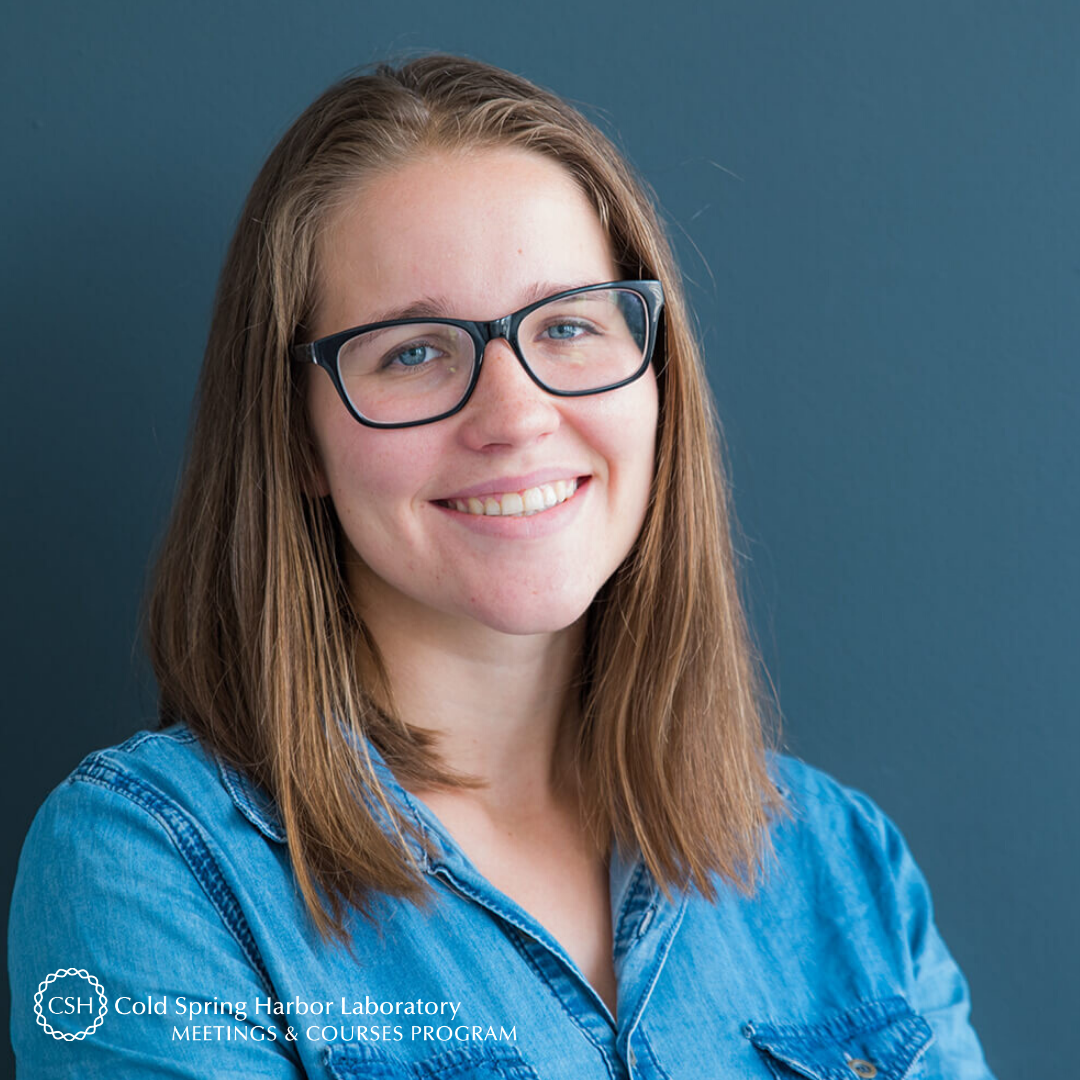
Meet Marjan Farahbod of Simon Fraser University (Canada). The postdoctoral fellow is a member of Dr. Maxwell Libbrecht’s lab where research focuses on gene annotation. Marjan joins us at this week’s Probabilistic Modeling in Genomics virtual meeting – her first meeting at CSHL.
Tell us about your research.
I am working on obtaining a better understanding of gene regulatory mechanisms using epigenomics data. In particular, I am trying to understand gene regulatory mechanisms in lung function and COPD (Chronic Obstructive Pulmonary Disease).
How did you decide to focus on this area/project?
During my PhD, I worked on the inference of gene function and regulation from transcriptomic data. I am interested in gene regulatory mechanisms, data characterization and method development--this project has all these elements to various degrees. In recent years multiple epigenomics datasets have become available, making it possible to study gene regulation using this form of data. There is much work to do here and I am excited about it.
What and/or who is the inspiration behind your scientific journey?
My mentors and colleagues. Then there is the curiosity, the complexity and the never-ending thread of questions; along with the creativity and the ideas that lead to the answers!
What impact do you hope to make through your work?
I admire the collective effort of researchers to find answers and solve problems, and I see my work as a small contribution to this effort. I hope to share my skills and ideas, lead projects and inspire.
Where do you see yourself in five years?
As a relatively new postdoc, my contribution to the field has been mostly my research products in the form of publications. In the next five years, I hope to inspire and lead new research efforts.
What do you love most about being a researcher?
Perhaps being surrounded by the excitement of the unknown. The abundance of questions, and that there is always something interesting going on. Research can be intimidating too. Sometimes I find myself overwhelmed by how much I don't know at the beginning of a project, but once I start the actual research, the curiosity takes over.
What drew you to attend this meeting?
The meeting was a great opportunity to hear from the experts in my field and learn about its recent advancements. Specifically, it was great to hear from Professor Anshul Kundaje on their work in motif syntax, this is relevant to my project and something that I will look into.
What is your key takeaway from the Meeting; and how do you plan to apply it to your work?
At the end of her keynote talk, Professor Daphne Koller briefly talked about the key advancements in different fields through time, and where we are today in our field. Her description resonated with me and was inspiring. We are in a unique era, where the technical advancements in high-throughput biology and machine learning allows us to ask questions that we were not able to ask 10 or even 5 years ago. To think what will be possible in the near future, and how many questions we will be able to answer is exciting.
What feedback or advice would you share with someone considering to participate in this meeting?
Perhaps not specific to this meeting, but usually for me the keynote talks provide high-level views of the field and its challenges so I try to attend all of them, even if they are not directly related to my research. For the talks, I attend the sessions that are most relevant, and those are usually from the authors or labs that I know of or am familiar with their work. Posters are even more focused, and there is a chance to have in-depth conversations on specific approaches or datasets in the poster session.
What’s the most memorable thing that happened during the Meeting?
I think attending the meeting in its virtual form will be quite a memorable experience. I appreciate the efforts that went into the arrangement of such a setting. I particularly liked the pictures from the mission control posted on the Slack! It was also cool that everyone was just a Slack message away.
Image provided by Marjan Farahbod.
Thank you to Marjan for being this week's featured visitor. To meet other featured researchers - and discover the wide range of science that takes part in a CSHL meeting or course - go here.